
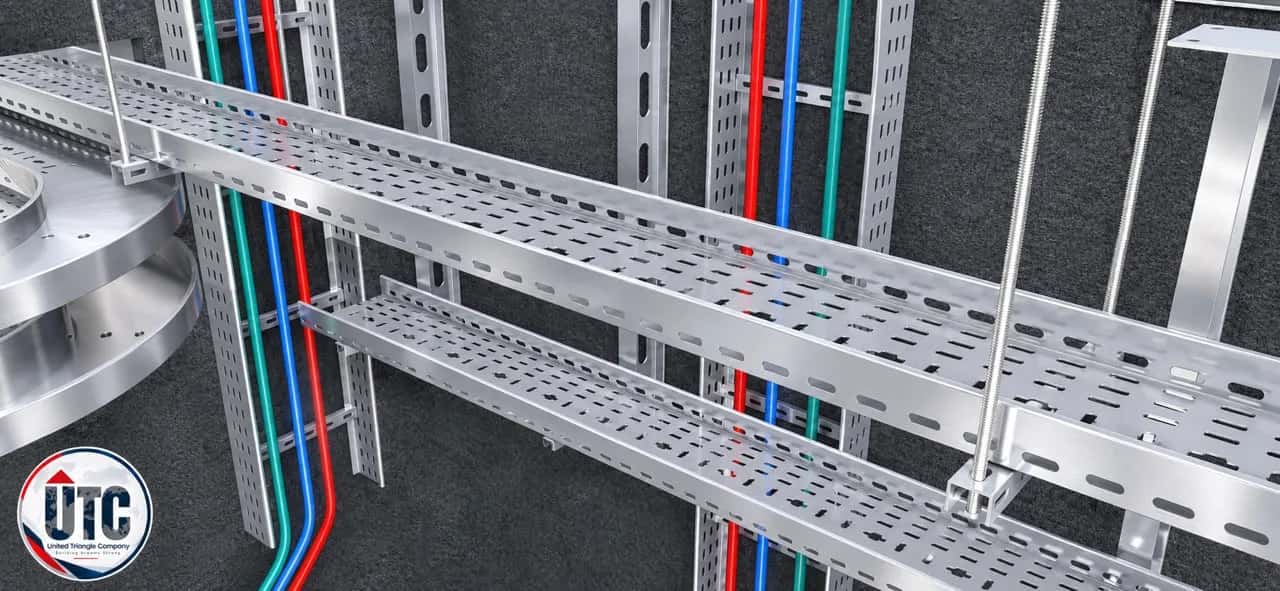
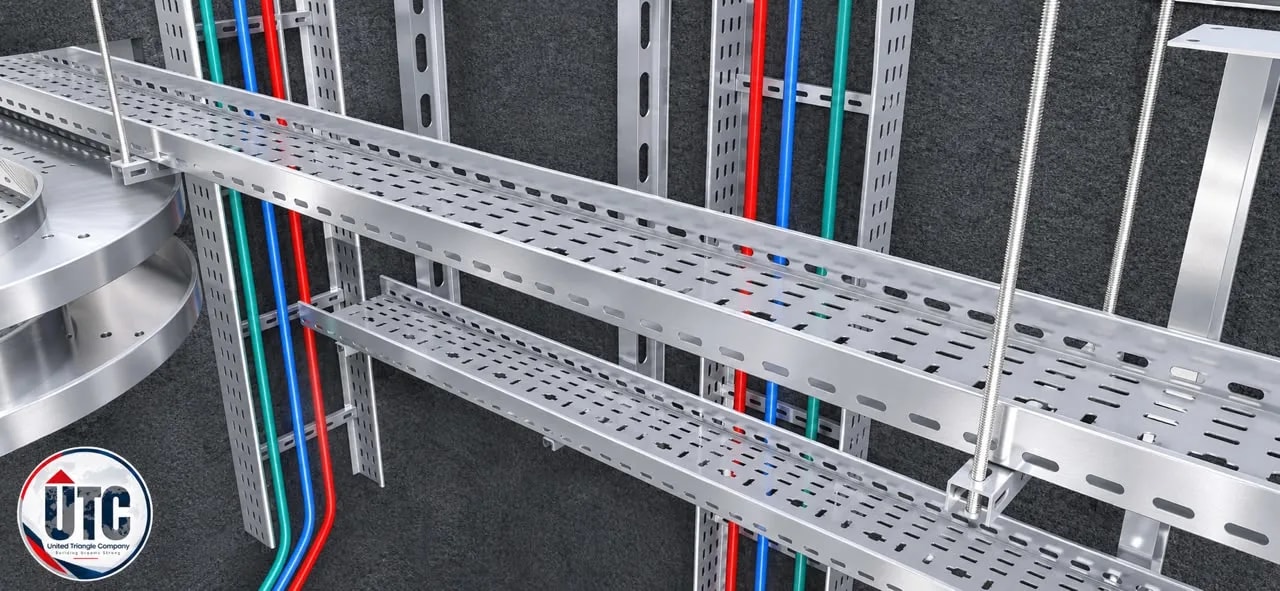
Consultants specify them, contractors are asked to comply with them, and every submittal lists them. Here is what the standards behind UTC's product systems cover.
BS EN 61537 — cable tray and cable ladder systems
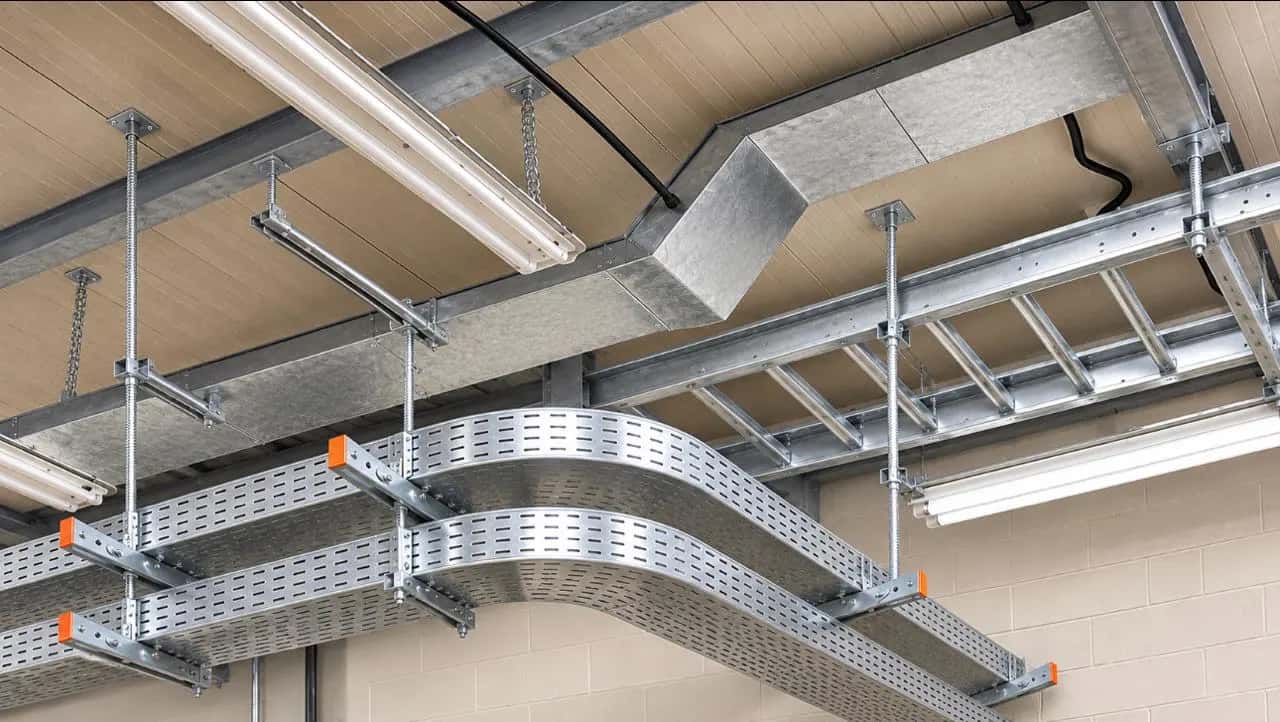
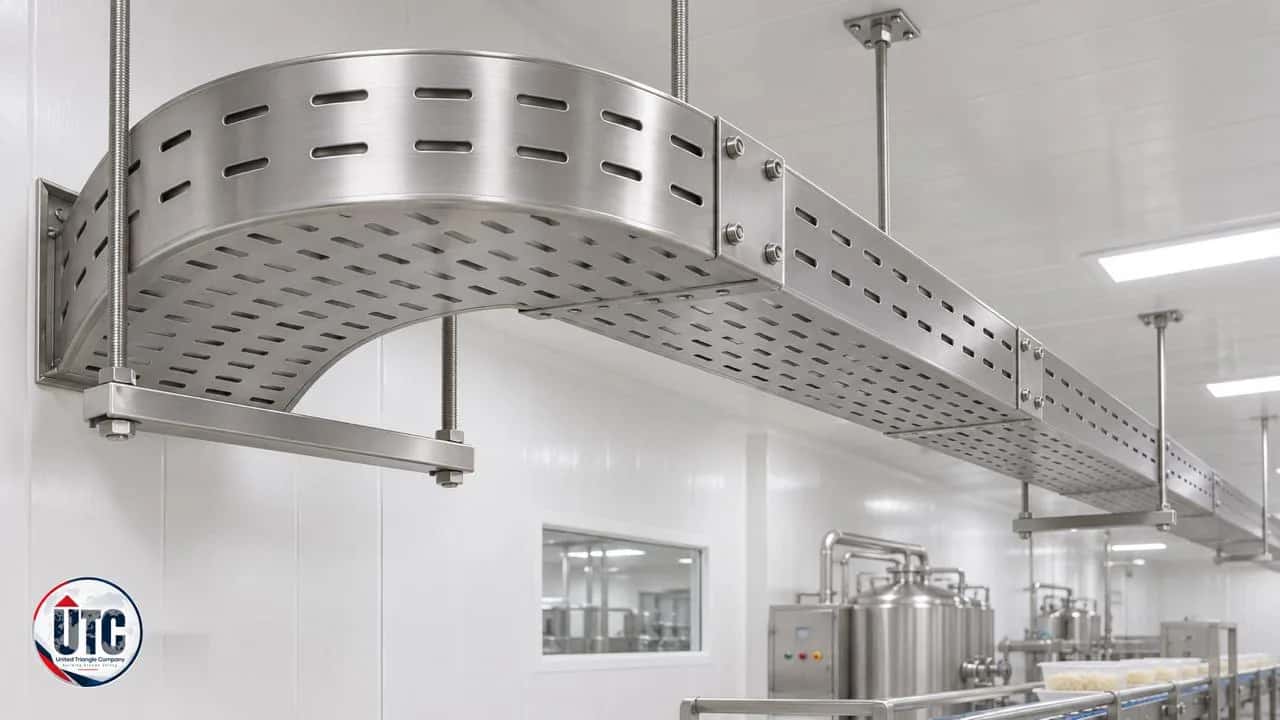
The European (and international, as IEC 61537) standard for cable tray and cable ladder systems used to support and accommodate cables. It sets requirements and test methods for the system as a whole — lengths together with their fittings and supports — including how the safe working load is tested, and how products are classified, for example by material and resistance to corrosion.
Why it matters: load figures are only comparable when they were tested the same way. A system tested to BS EN 61537 gives designers a reliable basis for selecting sizes and support spans.
NEMA VE-1 and NEMA VE-2
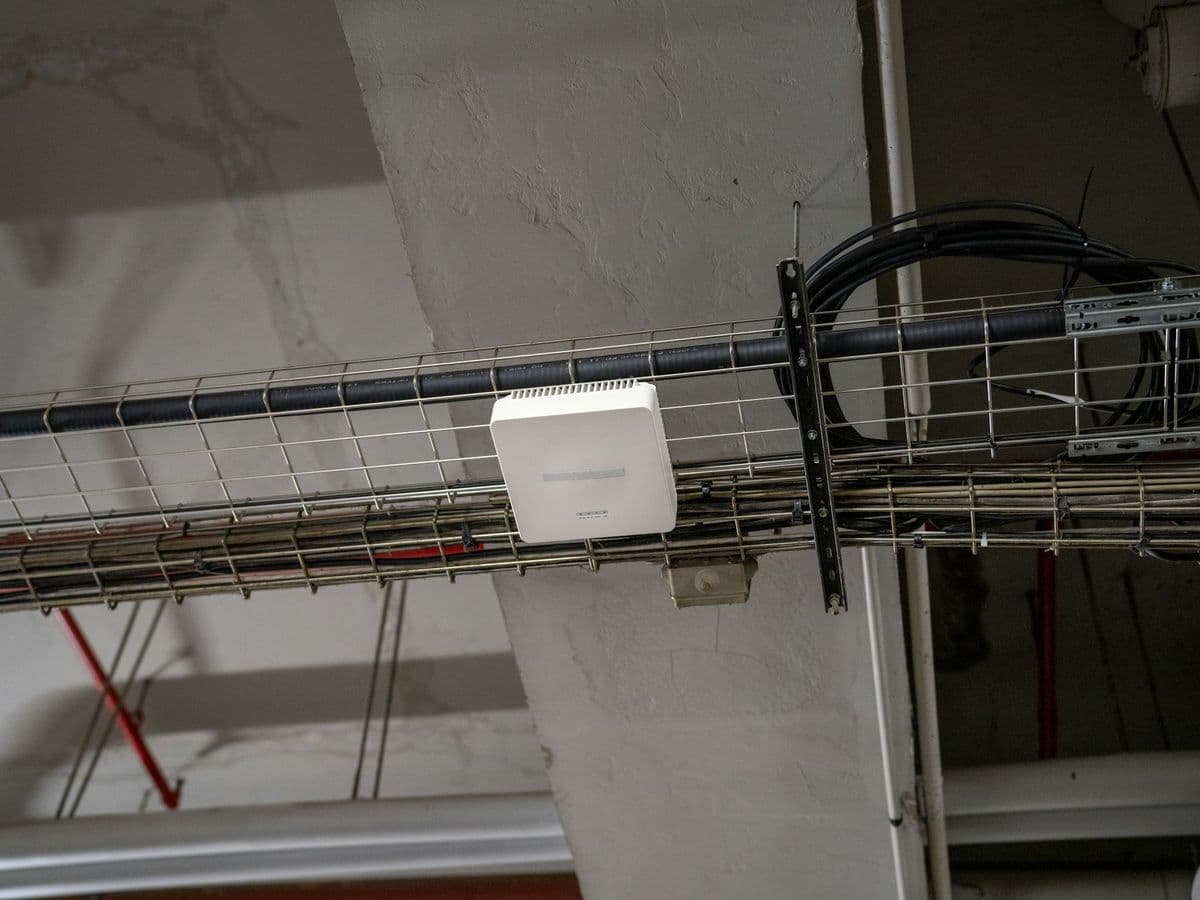
NEMA VE-1 is the North American standard for metal cable tray systems — construction, ratings and testing. NEMA VE-2 is its companion installation guideline: how trays should be handled, supported, joined and bonded on site. Projects designed to American practice often quote both.
BS EN 50085 — cable trunking and ducting
BS EN 50085-1 sets the general requirements for cable trunking and cable ducting systems; BS EN 50085-2 covers particular types, such as systems mounted on walls and ceilings. Trunking encloses the cables, so the standard deals with protection as well as support.
BS 6946 — strut (metal channel) support systems
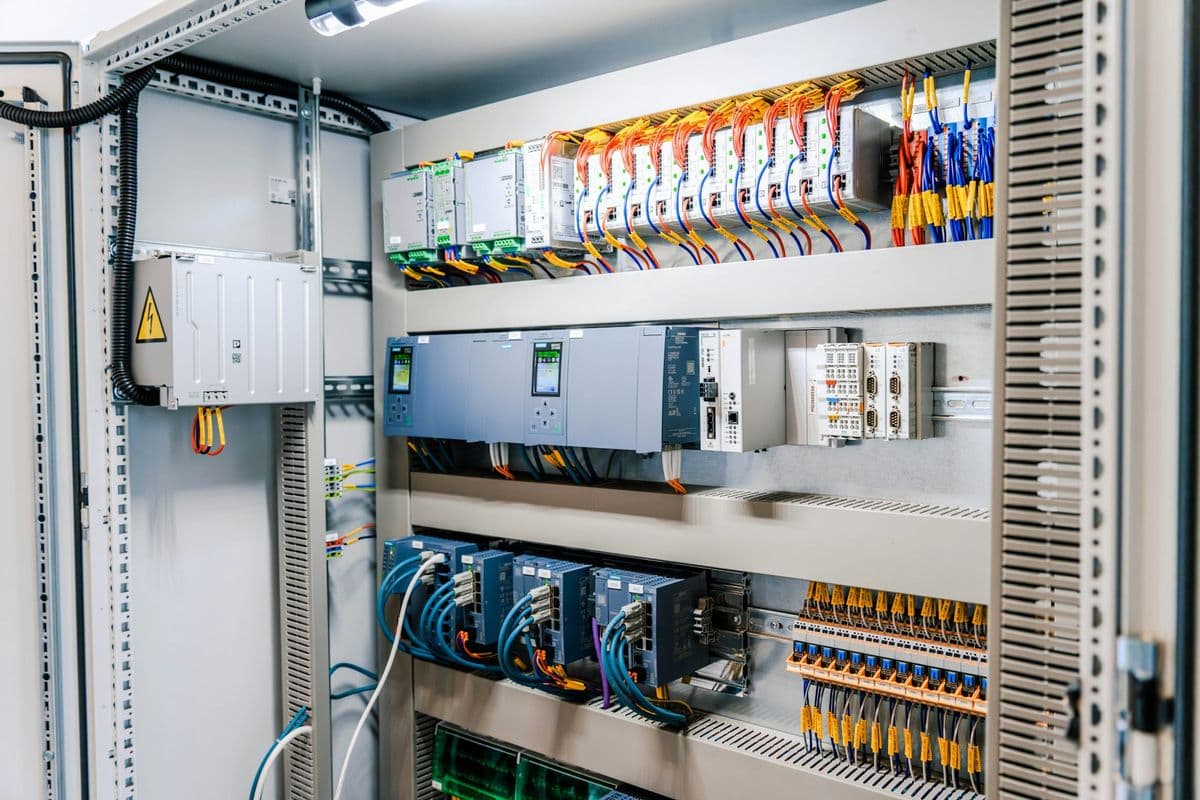
BS 6946 covers metal channel cable support systems — the slotted strut, brackets and fixings used to build supports, frames and hangers for trays, ladders, pipes and equipment.
Reading a specification
- Check the standard applies to the product. A trunking standard says nothing about a ladder's load capacity.
- Ask for the test basis behind load tables. The span and deflection limits matter as much as the load.
- Match the finish standard too. Coatings have their own standards — for example BS EN ISO 1461 and ASTM A123 for hot-dip galvanizing.
Need compliance documents for a submittal? Our team can provide the technical data for every UTC system and help match it to the project specification.
Planning a project?
Send us your requirements — we’ll recommend the system and quote.