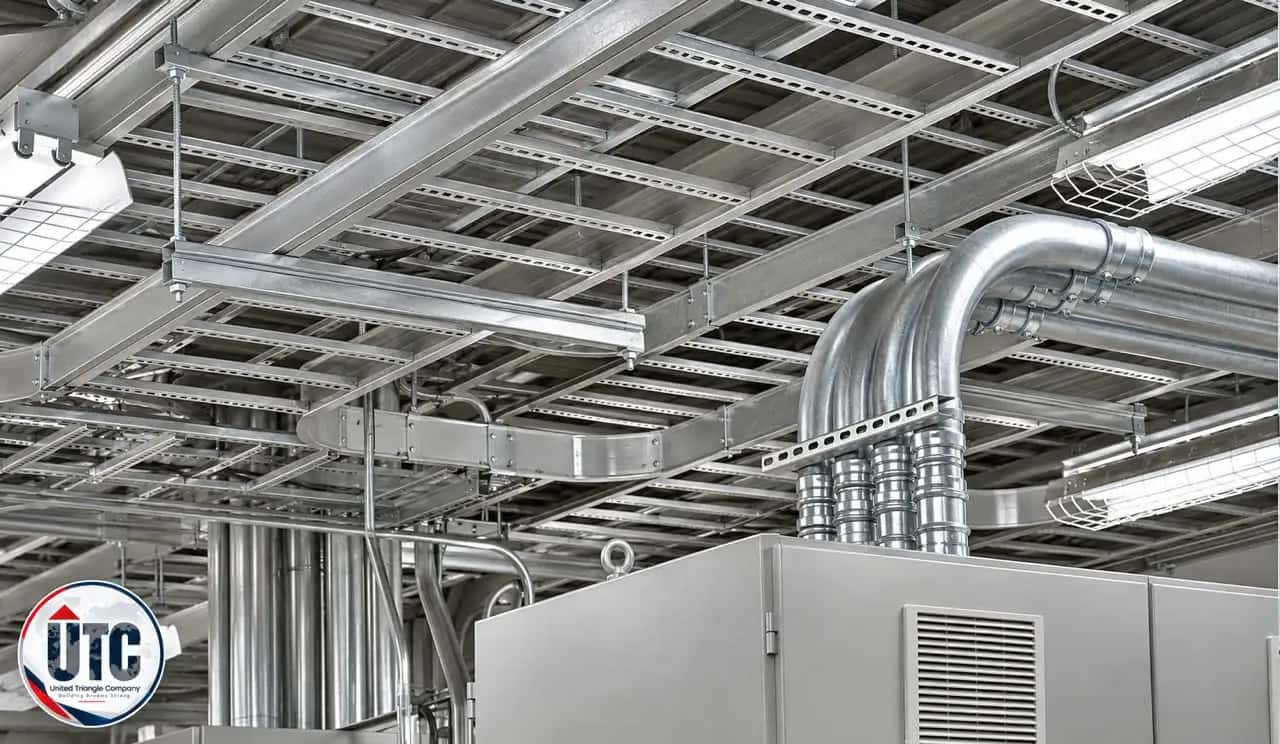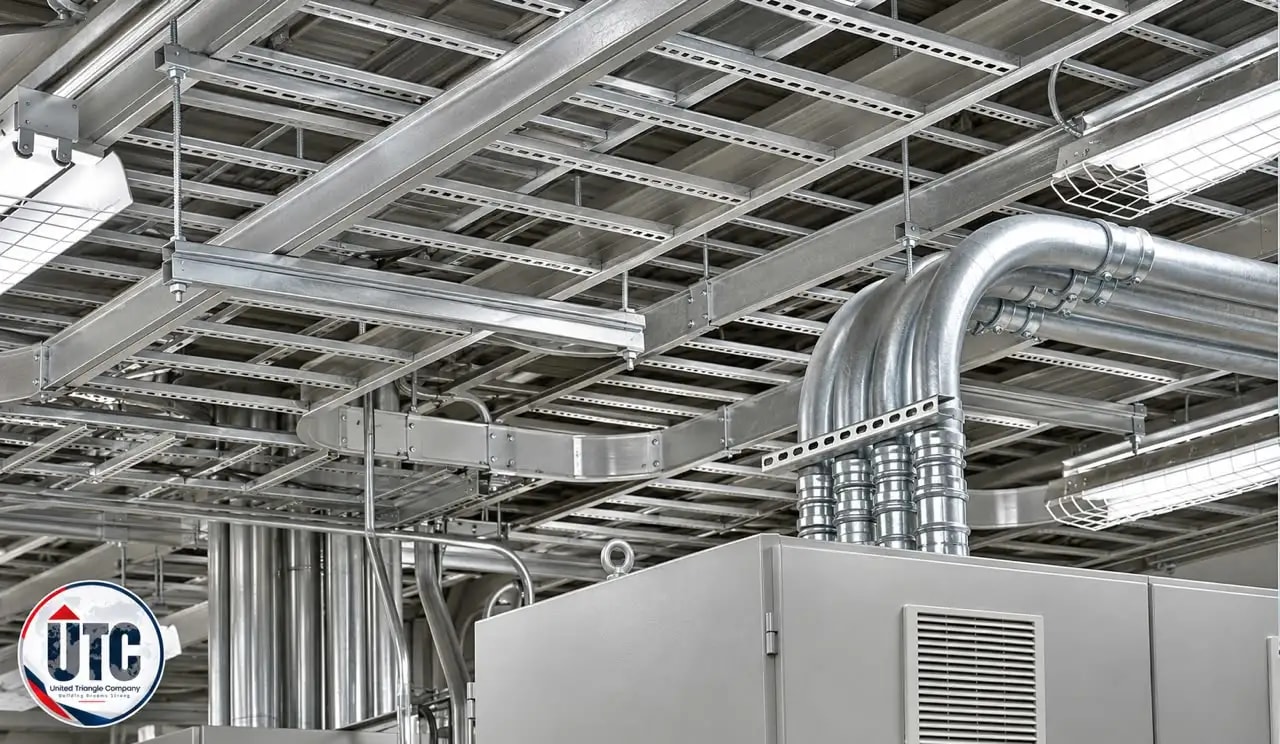

Wire mesh (wire basket) trays and perforated cable trays often share the same building. UTC makes both to the same standards — BS EN 61537 and NEMA VE-1 / VE-2 — but they are built differently, and that makes each one better at different jobs.
How they are built
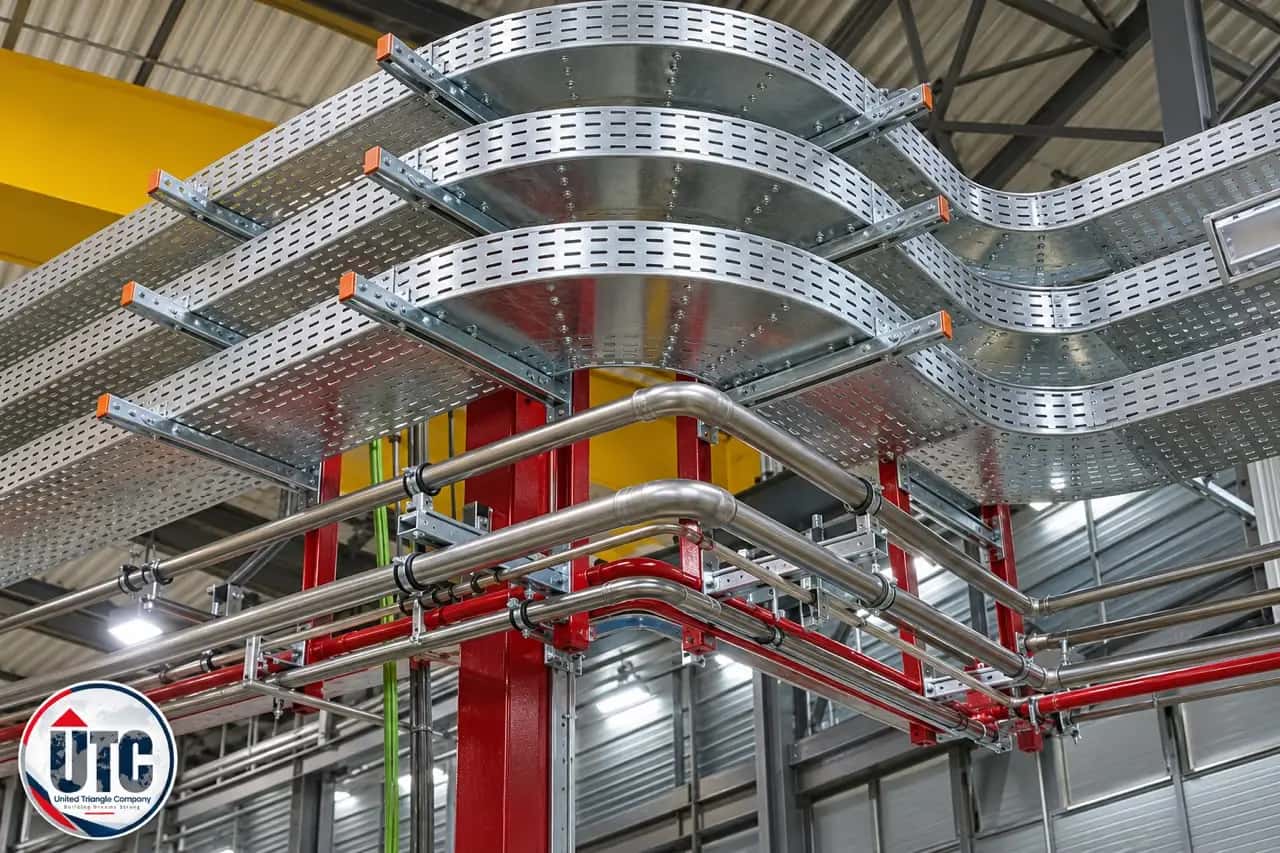
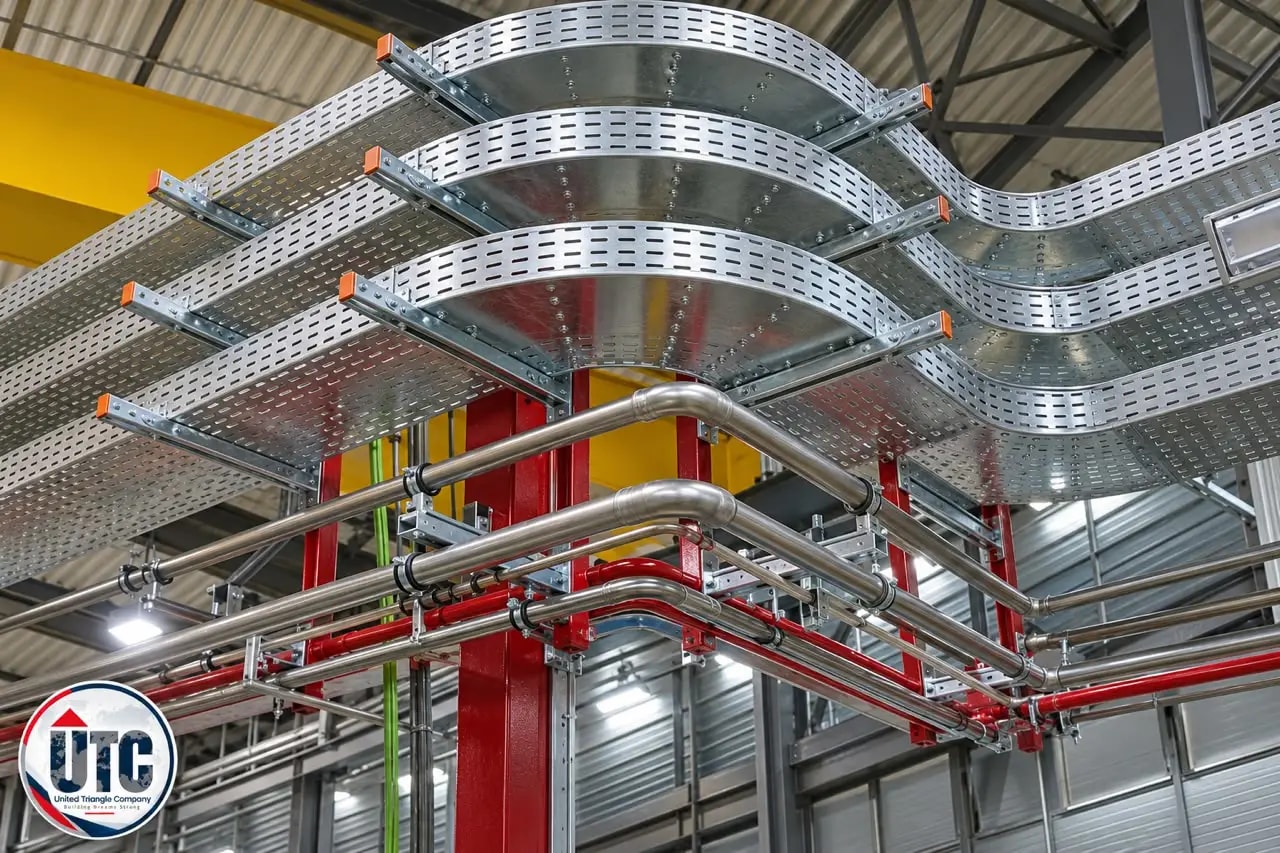
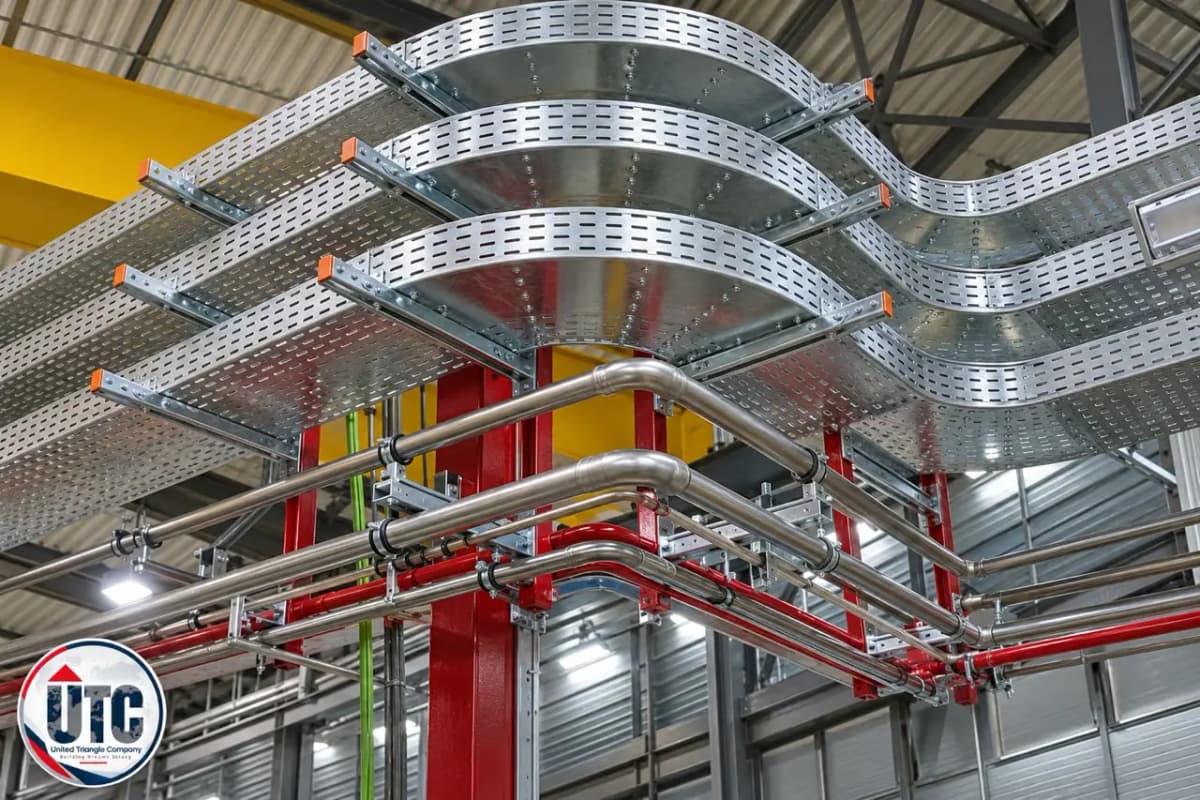
A perforated cable tray is a steel sheet formed into a one-piece channel and perforated on the bottom and sides, so cables stay ventilated. A return flange along the top edge — inside (RFI) or outside (RFO) — strengthens it and raises its load-bearing capacity.
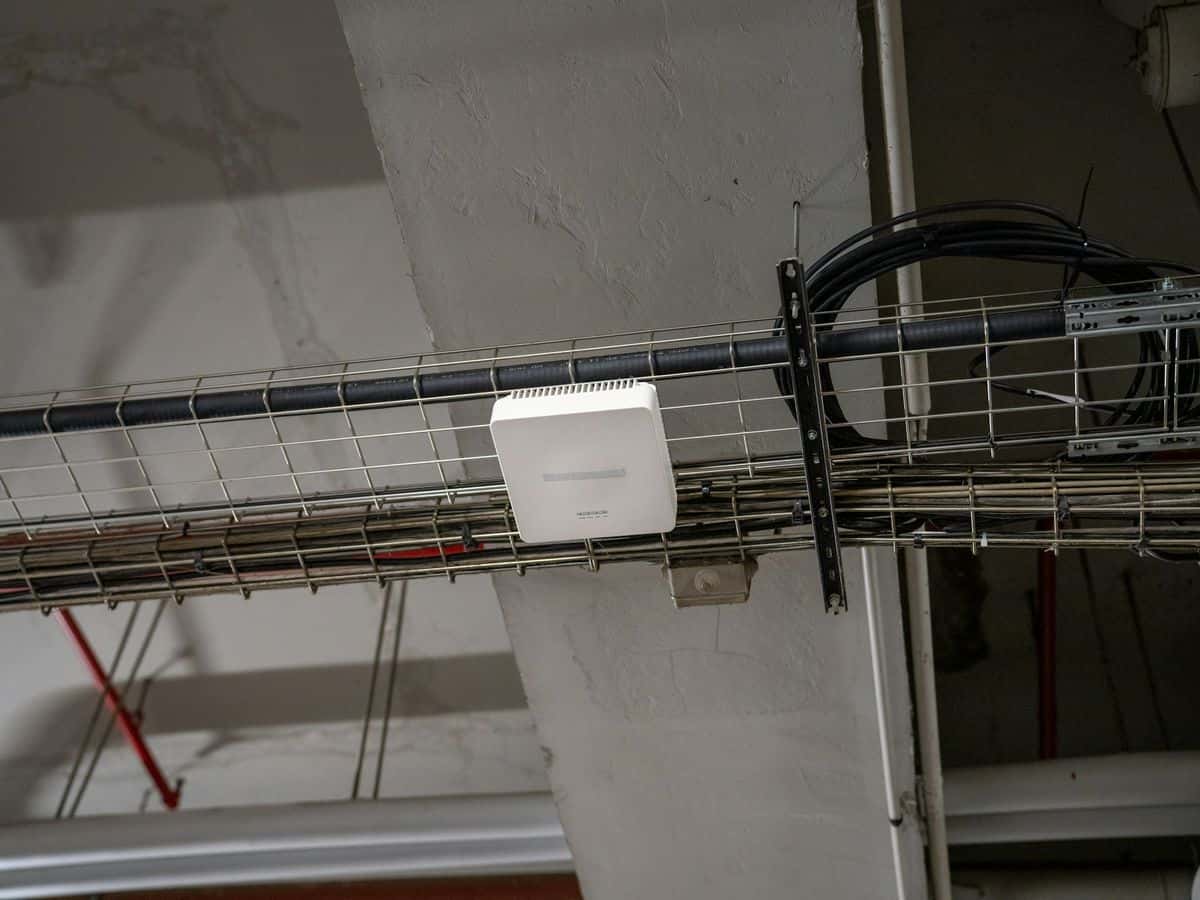
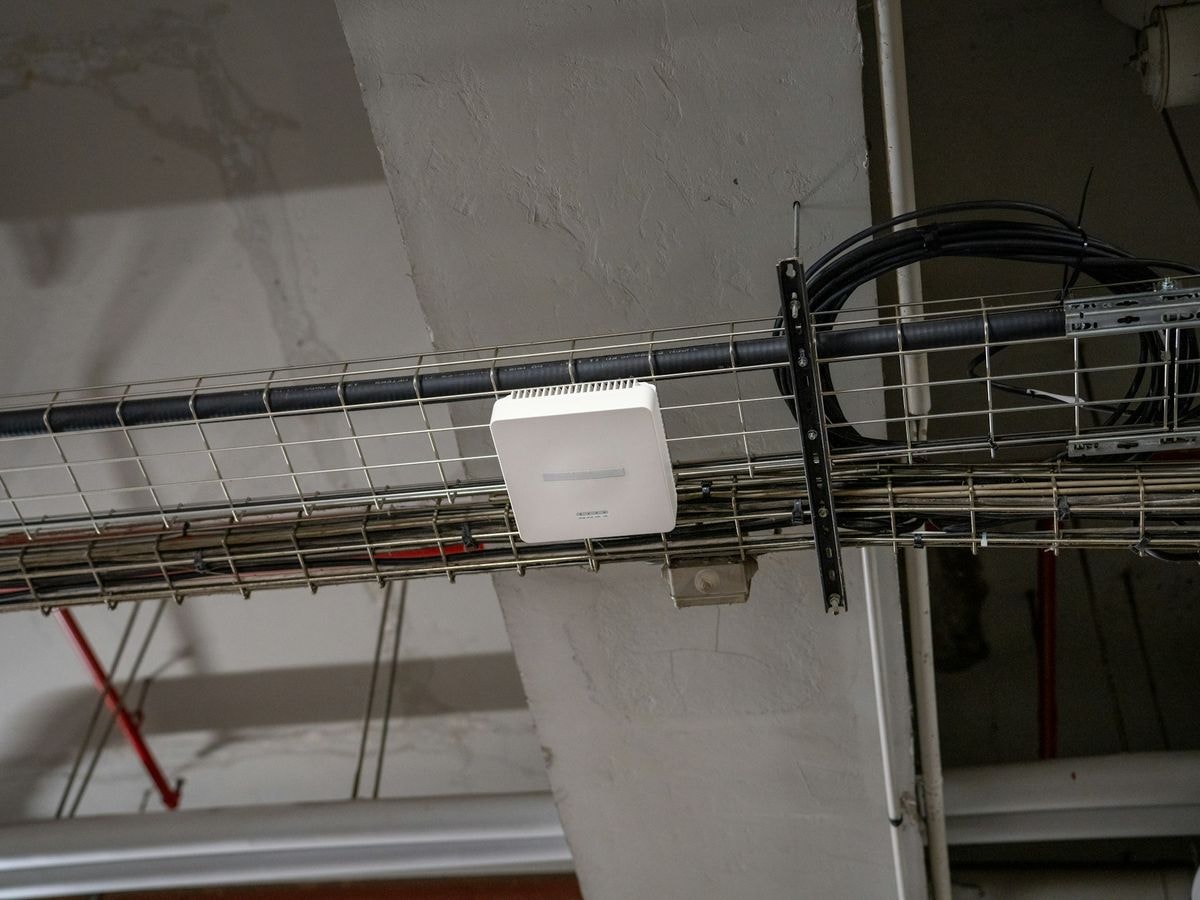
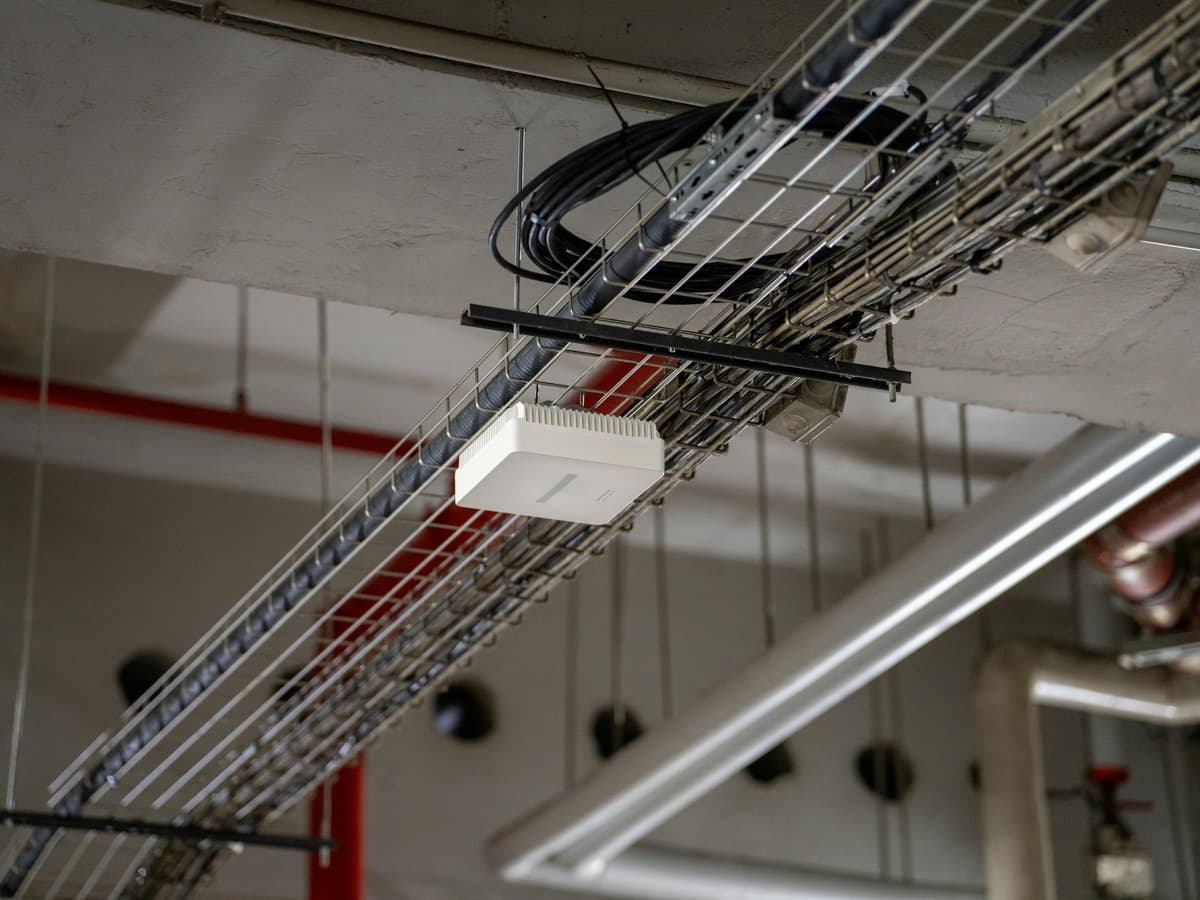
A wire basket tray is welded from steel wire into an open grid — on UTC trays, a standard 50 × 100 mm mesh, in heavy duty (WB-HD).
Where a wire basket tray fits best
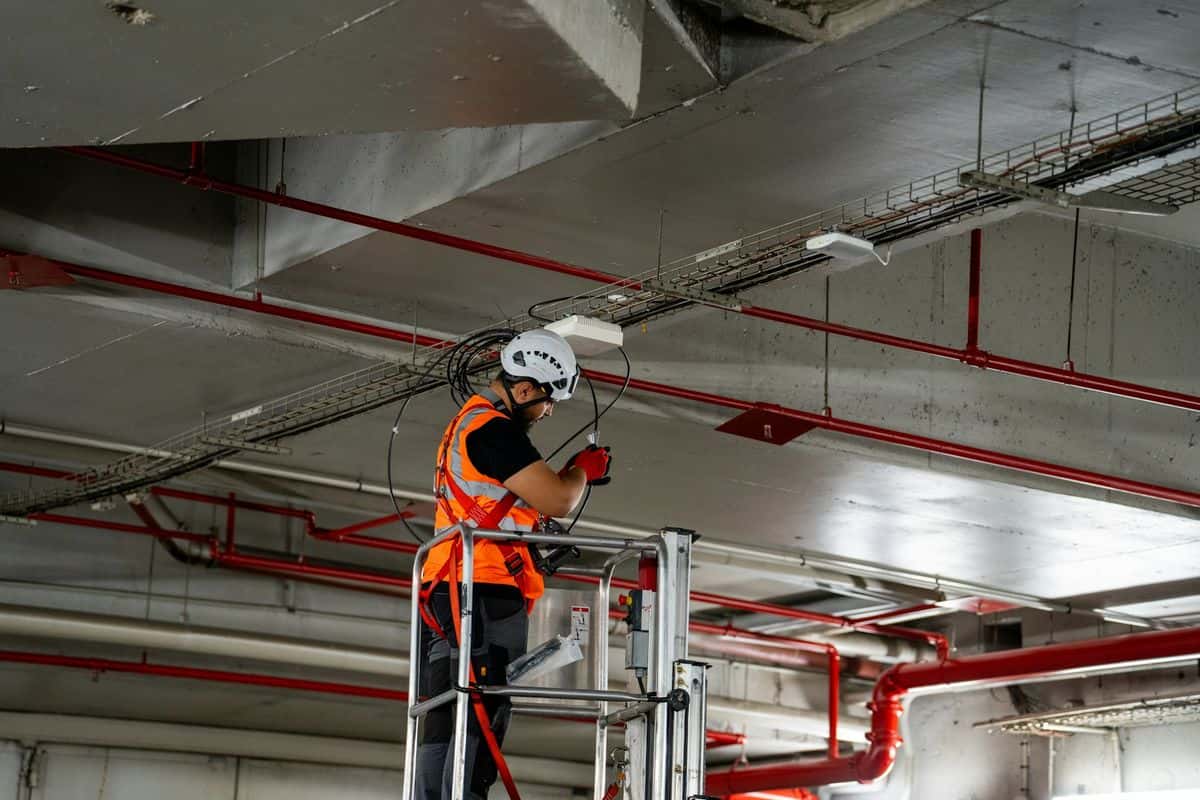
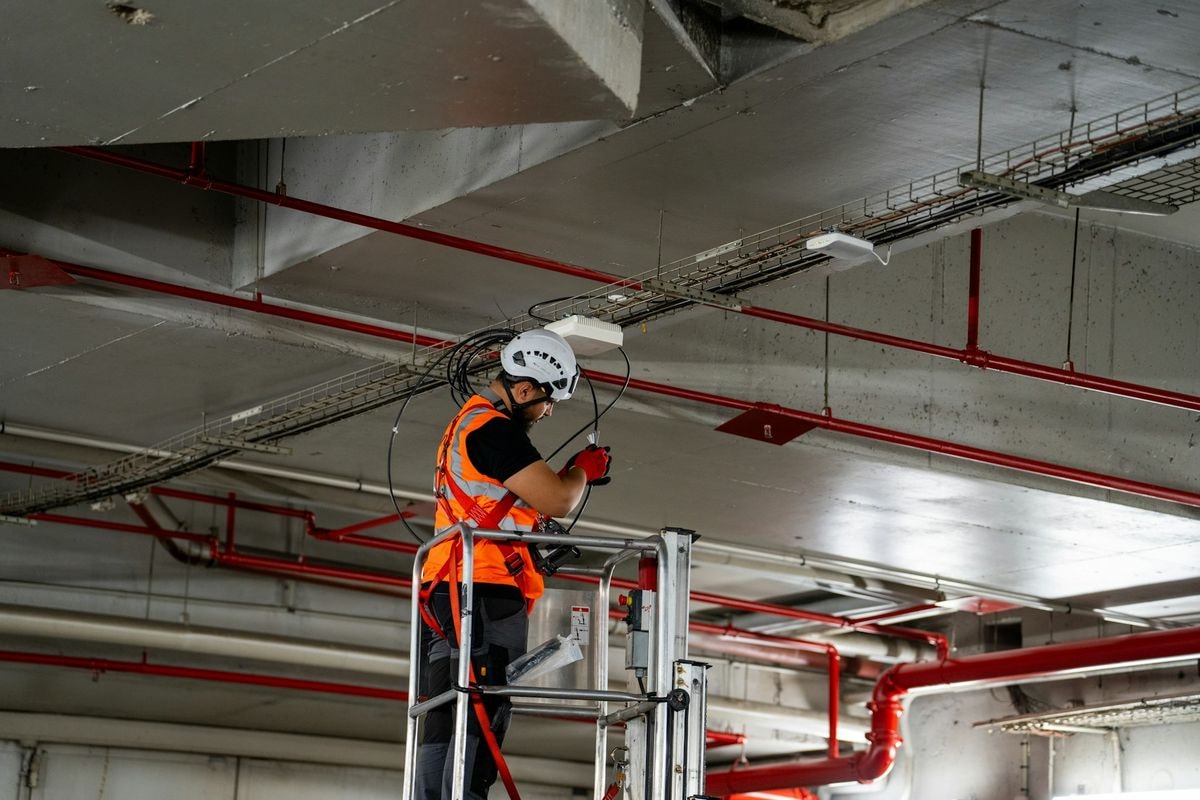
- Data and communication cabling alongside power cables — the open mesh lets cables drop in and out, and devices can be fixed straight onto the tray.
- Exposed services ceilings, where the route stays in view.
- Fast, flexible routing in industrial, commercial and residential buildings.
Where a perforated cable tray fits best
- Power cables and mixed loads, in medium, heavy or extra-heavy duty sections.
- Wide routes — up to 900 mm wide, with 25 to 100 mm side heights.
- Covered routes — closed, ventilated, louvered or snap-on covers.
- Complex routes — elbows and risers at 90°, 60°, 45° and 30°, tees, crosses, reducers, dropouts and barriers.
Finishes compared
| Finish | Perforated cable tray | Wire basket tray |
|---|---|---|
| Pre-galvanized | ✓ | — |
| Zinc electro-galvanized | — | ✓ |
| Hot-dip galvanized | ✓ | ✓ |
| Powder coated (any RAL colour) | ✓ | ✓ |
| PVC coated | ✓ | ✓ |
| Stainless steel | ✓ | ✓ |
| Aluminium | ✓ | — |
For which finish suits which environment, see choosing the right finish.
The short version
Choose wire basket for data and lighter cabling that needs fast, flexible routing; choose a perforated tray for power cables, wider and heavier routes, and wherever the cables need a cover. For heavy power cables in large numbers, look at a cable ladder instead — see cable tray or cable ladder.
Compare the wire basket tray and the perforated cable tray, or request a quotation for your route.
Planning a project?
Send us your requirements — we’ll recommend the system and quote.